New navigation makes a million dollar difference

Research

UX

UI

CRO

Client: Hotels.com - part of Expedia Group

My role: Senior Product Designer

Project: Global navigation redesign

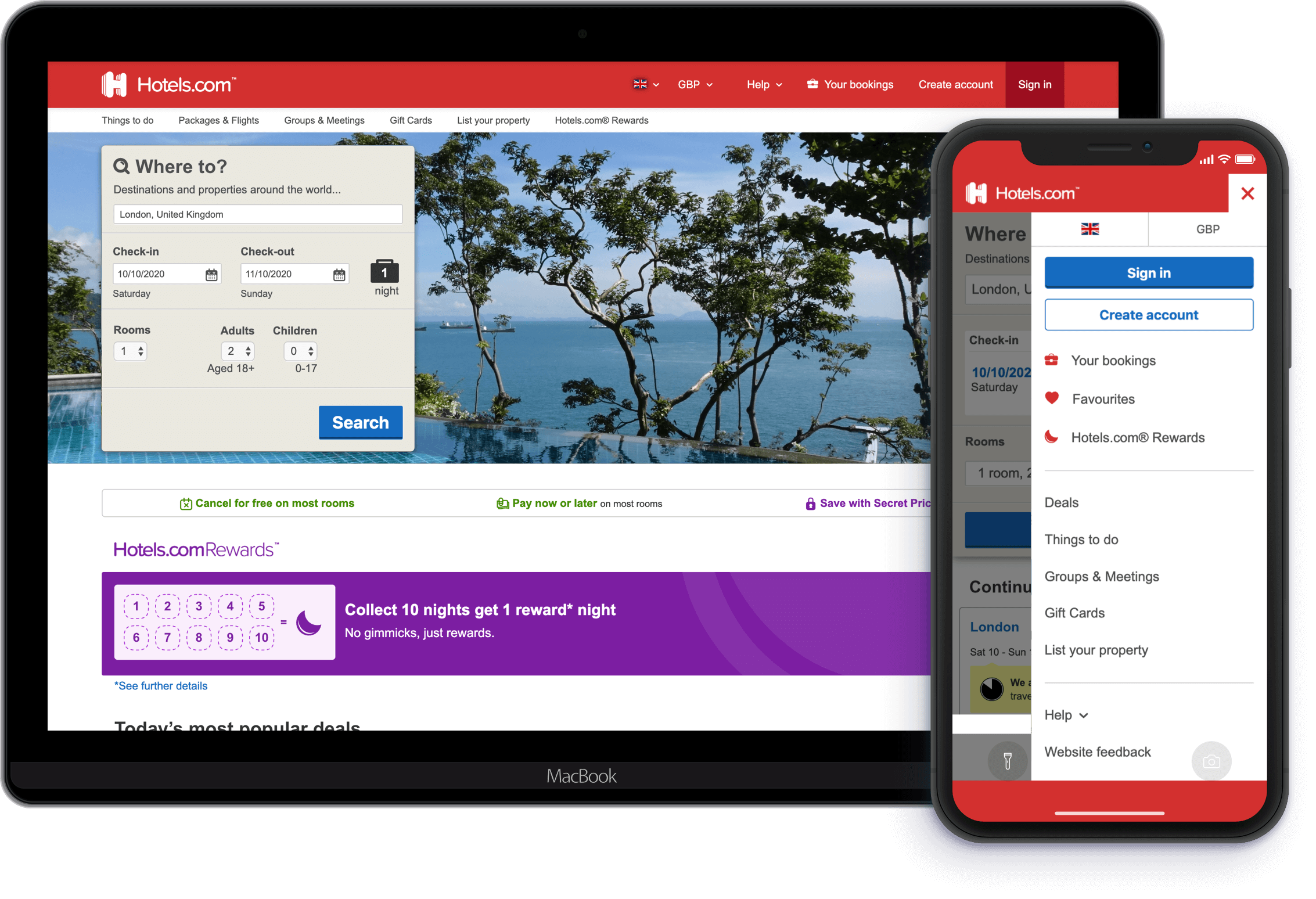
Summary: As part of a rebrand, I redesigned the global navigation, balancing conversion goals, usability, and space for future offerings. By streamlining 89 regional variations and collaborating with stakeholders, the new design boosted engagement and conversions, adding USD $1.1M annually.

The outcome: Boosting Conversion and User Engagement

By streamlining Hotels.com's global navigation across 89 points of sale, I achieved a significant increase in conversion rates, generating an additional USD $1.1 million annually. This redesign also enhanced user engagement, with higher sign-in rates and improved navigation to booking forms.

My Role: Leading the Design Overhaul

As the Senior Product Designer, I led the redesign project, collaborating with analytics teams, project managers, and various stakeholders, including loyalty, call centre, marketing, and legal teams. Reporting directly to the Director of Product Design and VP of Product, I ensured the new design aligned with business goals and was adaptable for future growth.

Understanding the Challenges

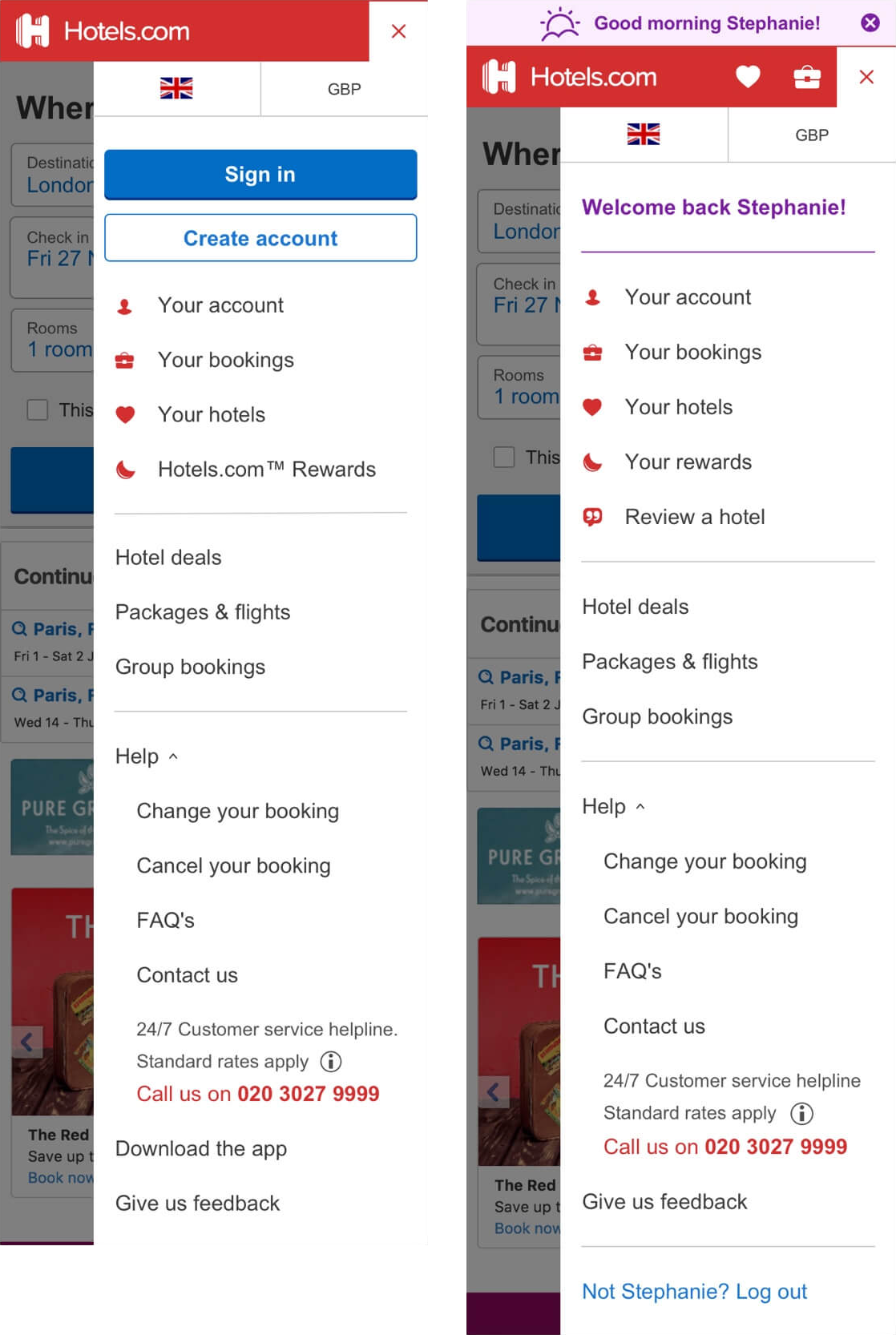
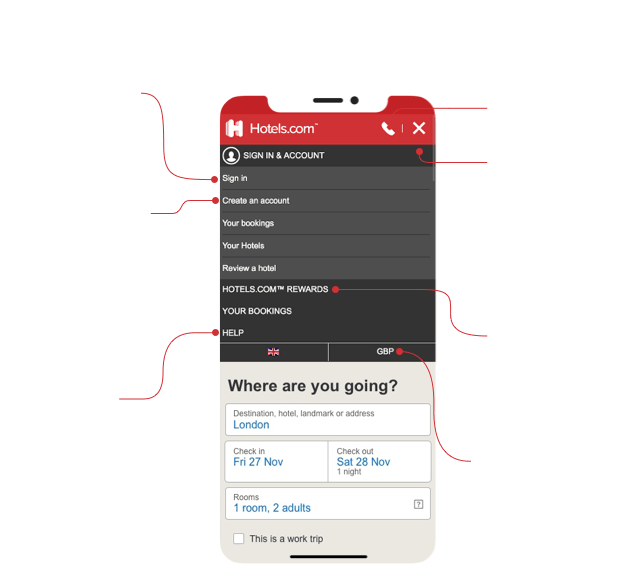
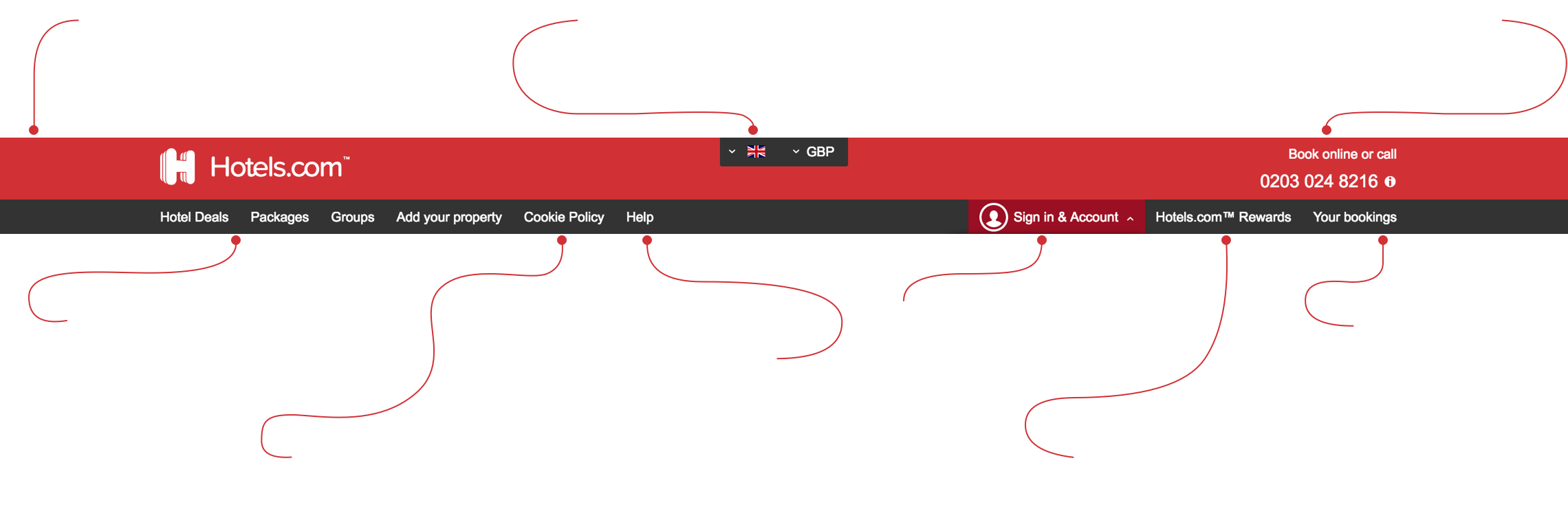
Over time, Hotels.com's global navigation had become cluttered, with numerous links leading to poor user experience, especially on mobile devices. The dated aesthetic and lack of flexibility hindered the integration of new sub-brands and propositions.
Audit and Analysis

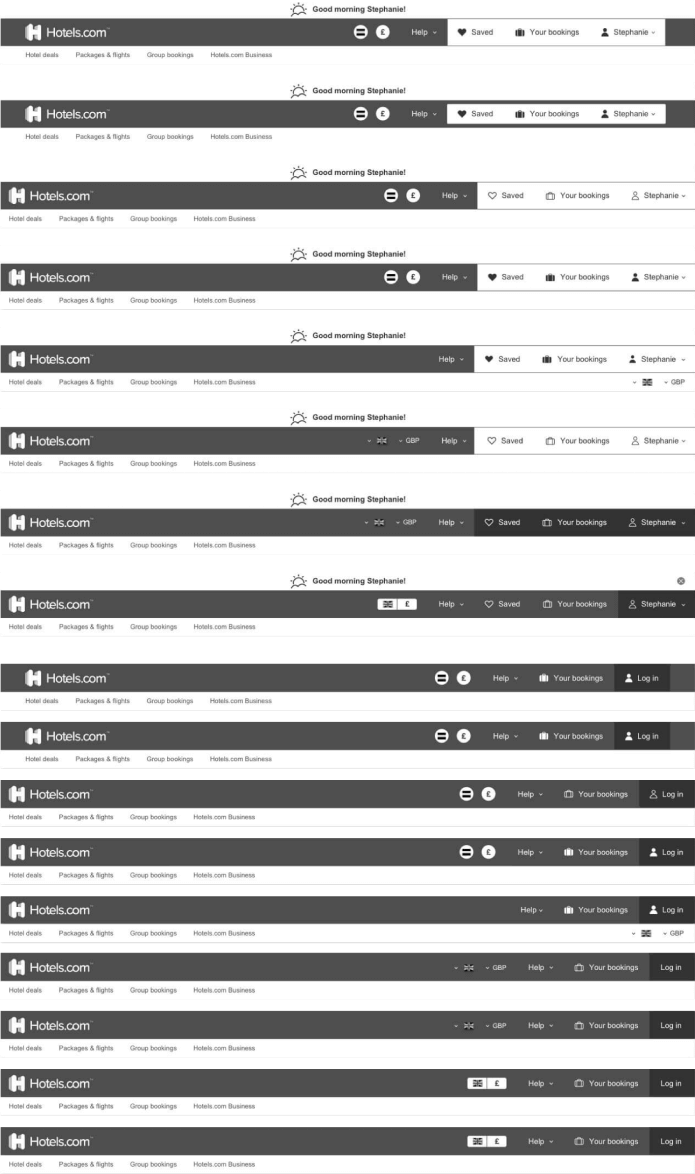
I conducted a comprehensive audit of the existing header and competitor analysis, revealing that many links had low traffic and could be removed or repositioned.
Stakeholder Collaboration

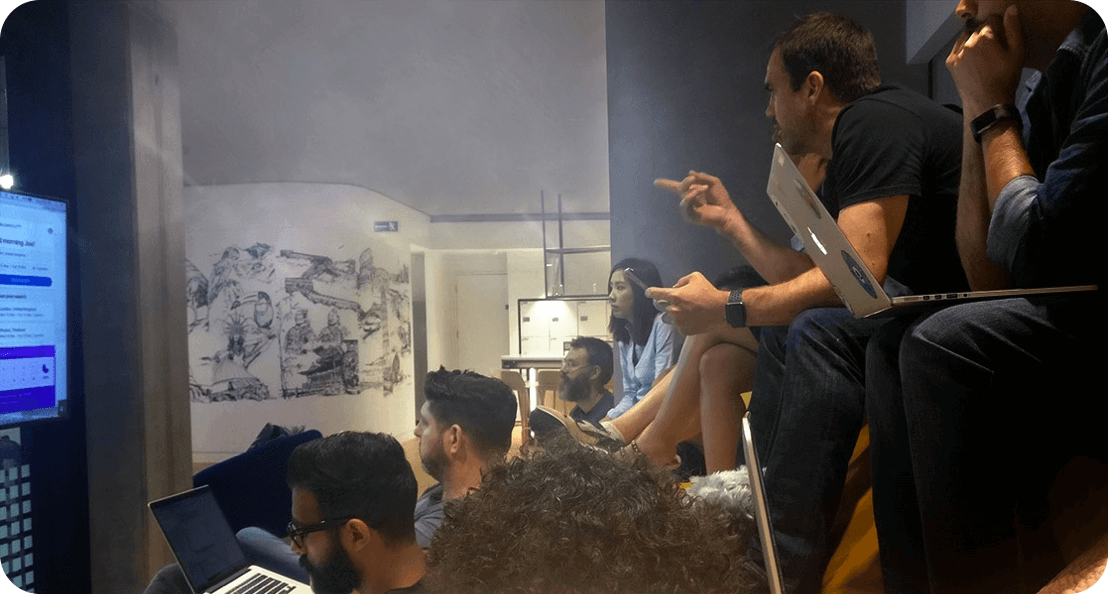
I gathered objectives from various teams to ensure the redesign met diverse business needs. This was reviewed with the design team to ensure it would be both flexible and on-brand.

Design Iteration

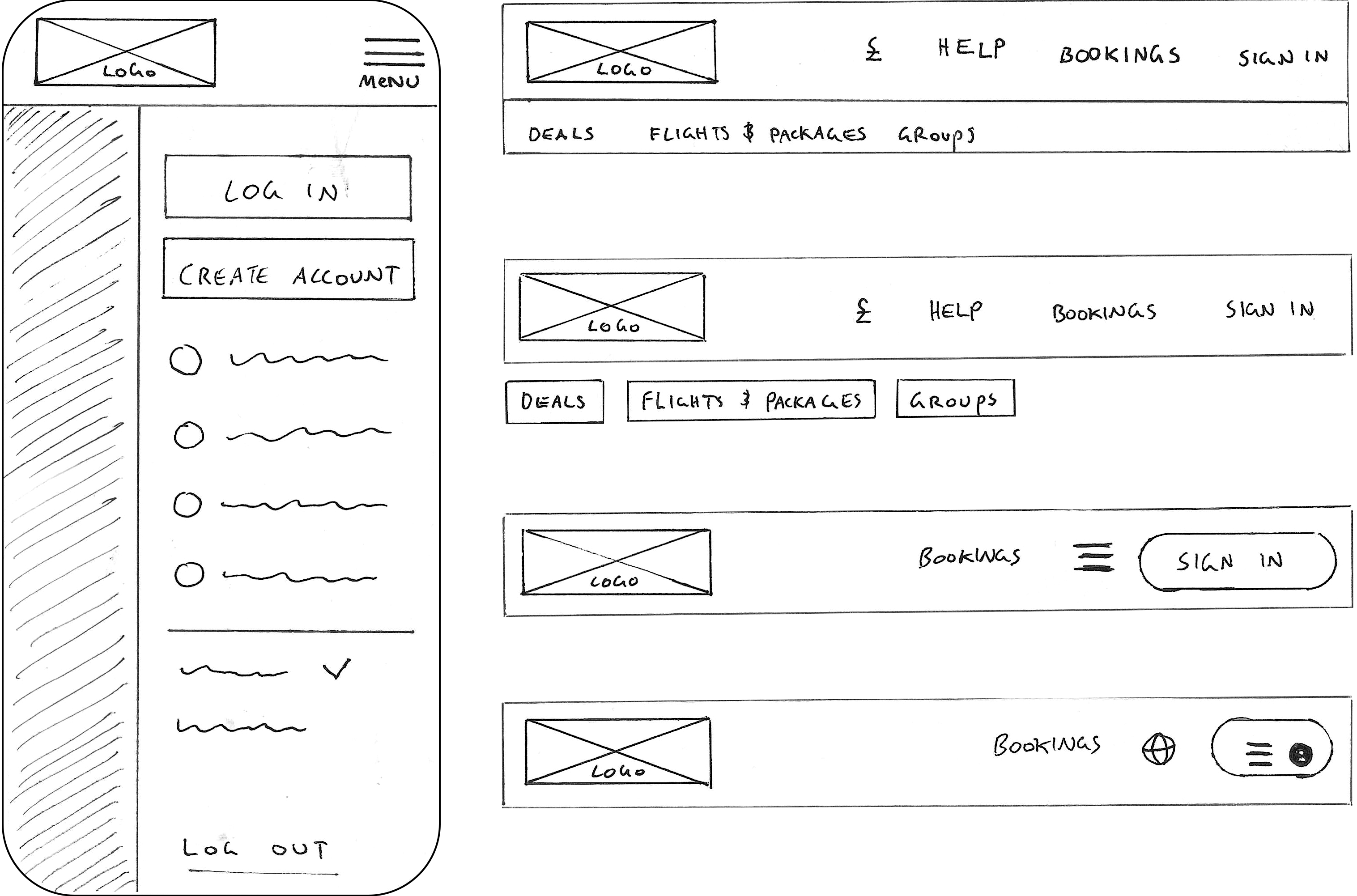
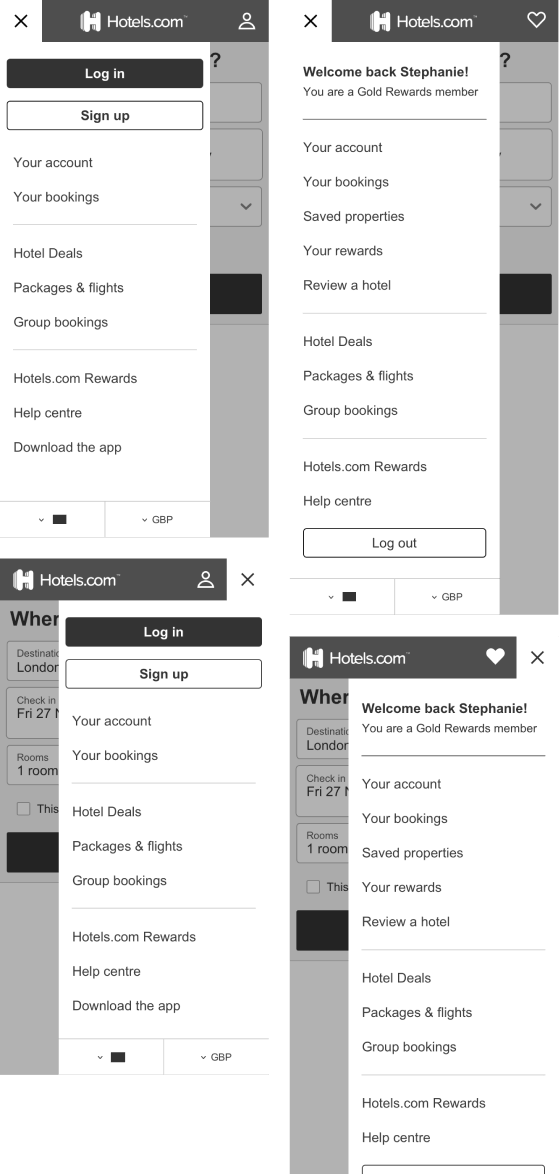
Developed initial wireframes, iterated based on stakeholder feedback, and created prototypes for demonstration.

Testing and Deployment

Performed user acceptance testing and multi-variant tests in key regions (USA, France, Brazil, Japan) over 30 days, refining the design before global rollout.

Considerations: Balancing Business and User Needs

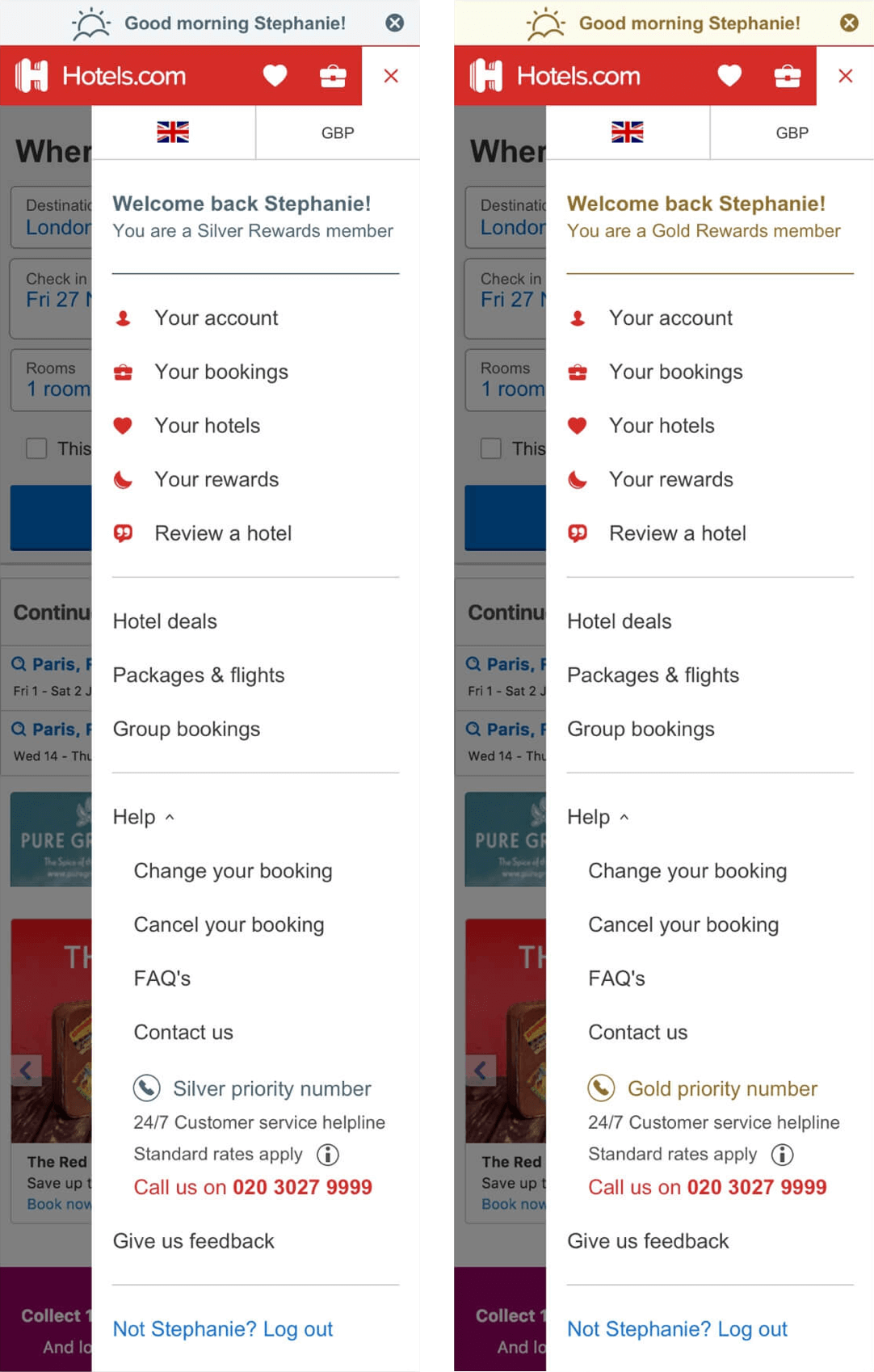
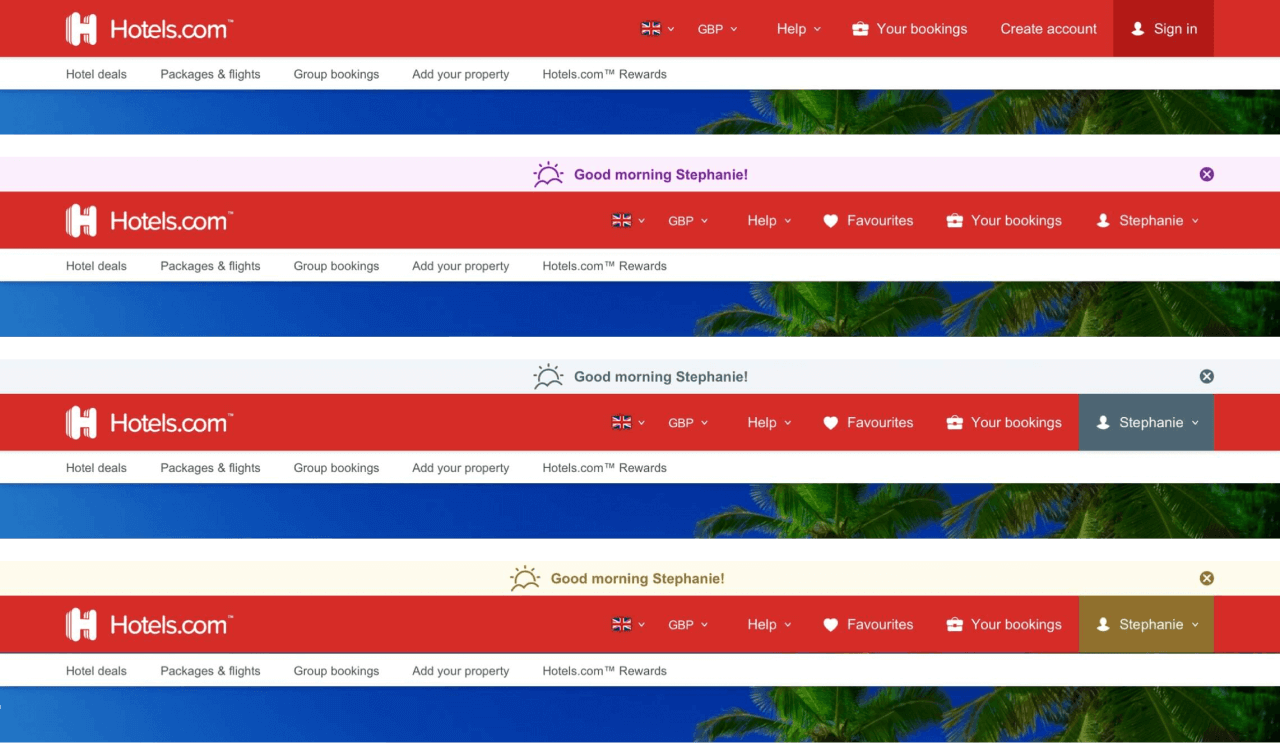
The redesign emphasised user loyalty tiers, improved self-service options to reduce call centre dependency, and modernised aesthetics in line with the brand refresh. We also addressed legal requirements, such as updated privacy laws, by modifying the display of the cookie policy.

Outcome: Enhanced User Experience and Business Growth

The redesign led to:

  • Increased conversion rates, adding an estimated USD $1.1 million in annual revenue
  • Higher sign-in rates on both desktop and mobile platforms.
  • Improved user progression to booking forms across all platforms.
  • Significant reduction in call centre volume.
  • Lower bounce rates and increased visits to search results pages on mobile.
  • A decluttered header, providing space for future propositions and aligning with the brand's refreshed aesthetics.

More projects

Research

Service Design

UX

UI

From two broken apps to a unified EV experience

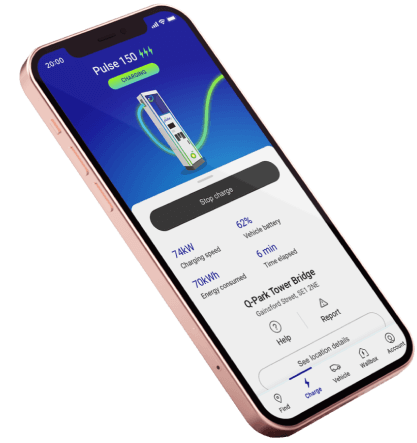
BP Pulse had two separate apps, 9 charging unit manufacturers with inconsistent interfaces, and non-standardised signage. I led research, service design and UX across the app, physical charging units and signage, expanding the brief beyond app consolidation to fix the full customer experience. I aligned engineering, procurement, signage and product teams throughout, and convinced the Head of Design to change the product direction based on research findings.

UX

UI

CRO

Increasing logged-in transactions at Trainline by up to 60% without hurting conversion

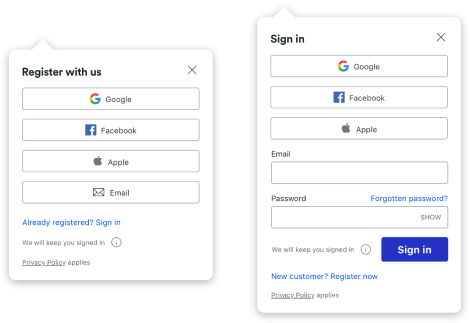
80% of Trainline customers were checking out as guests, limiting their ability to manage bookings and driving up contact centre costs. I led the design of a non-intrusive sign-in and registration system across UK and international platforms, testing multiple approaches to find interventions that increased logins without disrupting the booking flow. The result was a 59.2% increase in logged-in transactions on international mobile web and a 20% increase in registrations.